
If you want to build long-lasting customer relationships, you should start working on loyalty already when people are just interested.
27. maj 2025
Many companies draw a sharp line between lead generation, conversion and the work of building customer loyalty.
At worst it operates as three silos, each with its own organisation, purposes and targets.
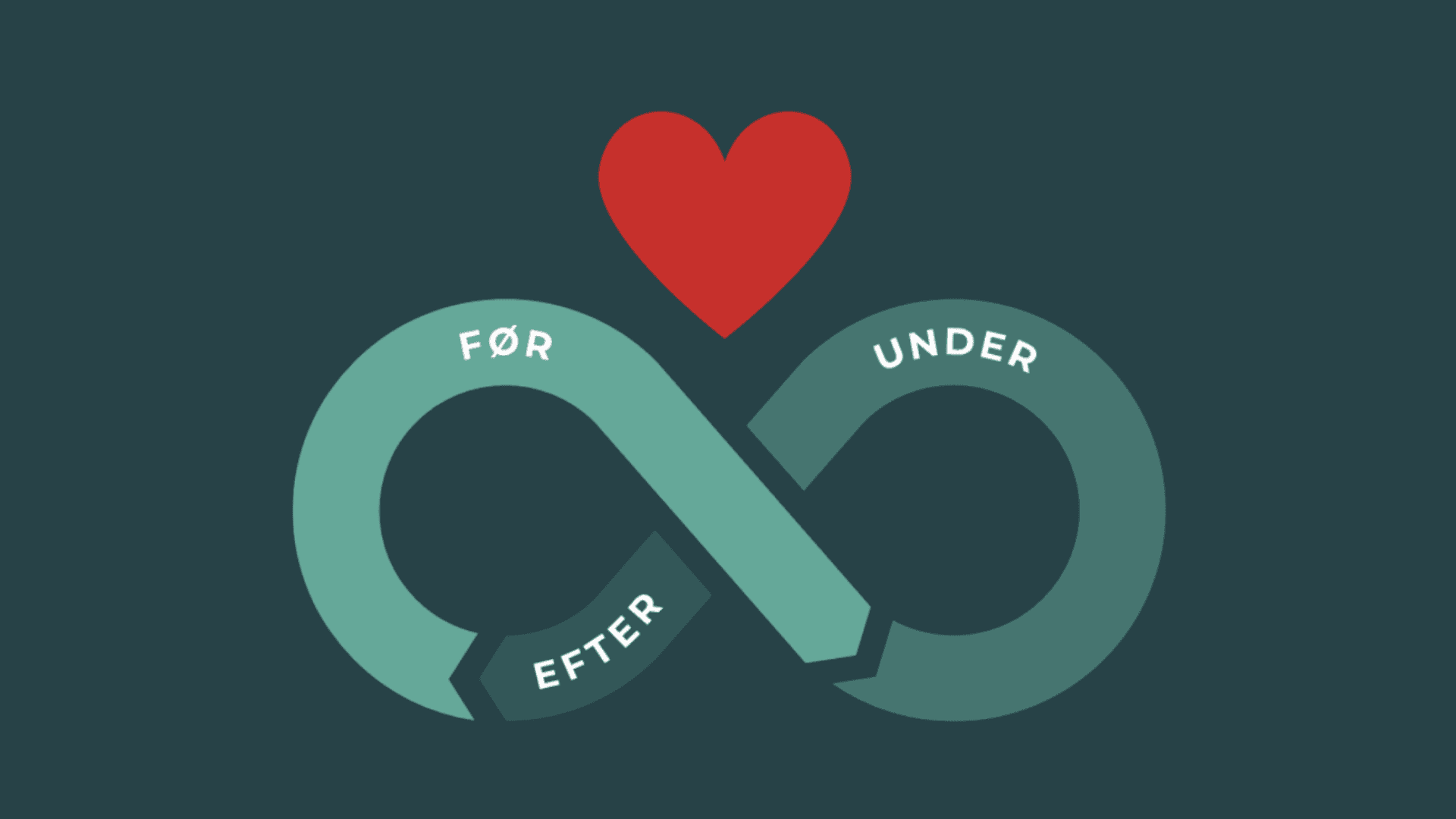
But if the company's overall aim is to optimise long-term earnings by building lasting customer relationships with loyal customers and advocates, then that work does not start at the first purchase.
It starts the moment someone chooses to sign up to your customer club or your newsletter.
A lot of money and effort goes into getting new sign-ups. Often the measure of success is: as many as possible at the lowest possible price. But that is a misconceived target if the ambition is long-term loyalty.
It is not only about quantity – it is about quality and quantity together. The right sign-ups are the ones where the recipient has genuine interest – and the potential to become a happy, returning customer and perhaps even an advocate.
When I talk to companies about rewards, it is usually about what you can give after a purchase: points, discounts, bonuses. But we should also think in terms of rewards before the first purchase – and between purchases.
That applies particularly to considered purchases – products and services customers do not buy very often. Here the relationship and the trust are decisive.
And here the reward can be something quite different from a discount:
A newsletter that gives value in itself – and does not simply try to sell.
Content that inspires or informs – guides, cases or tips, for instance.
Invitations to special experiences or communities.
Competitions and games that are fun or engaging in their own right.
Back in 2001 I wrote an article for Børsen's Direct Marketing handbook describing some of the ideas Seth Godin launched in his 1999 book Permission Marketing.
One of his central, and still very valid, points was the idea of a "learning marketing programme". When someone signs up, it is a declaration of trust. It is not permission to start selling immediately. It is an opportunity to learn something about that person – and through that to give relevant content that builds trust.
At the same time you also have to teach the customer something. About your values. Your products. Your way of working. It is a two-way process. You learn – and you pass on what you know.
Godin uses an analogy that still works well: imagine a man going to a bar to find a partner. He walks up to the first woman he sees and asks: "Will you marry me?"
The answer is obviously no.
But that is exactly what many companies do. They get a new sign-up – and immediately send an offer or a discount code. Without context. Without a relationship. Without knowing whether it is relevant at all.
This is where Permission Marketing differs.
It is not a question of quick conversion. It is a question of building a relationship – and using the permission you have been given thoughtfully.
But – there is always a but:
That does not of course mean Permission Marketing should be used in every situation. You should still try to sell immediately to those who click your ads for specific products and services – they have after all shown a specific interest, and following up on that makes a great deal of sense.
If you want to build a relationship, your mails have to be something the recipient benefits from – whether or not they are ready to buy.
That might be inspiration, ideas, entertainment, content that teaches them something – or simply gives them the feeling of being seen and understood. Do it right and your communication becomes a reward in itself.
If you want to create loyal customers, you have to think about the relationship before the first purchase. It starts the moment someone clicks "subscribe". And that means from the very first contact you have to behave like someone worth getting to know.
You do not have to give everything away. But you do have to give something of value – without payment too.
The earlier you start creating value, the stronger the relationship becomes – and the better your chance of creating loyal customers over the long run.